
-
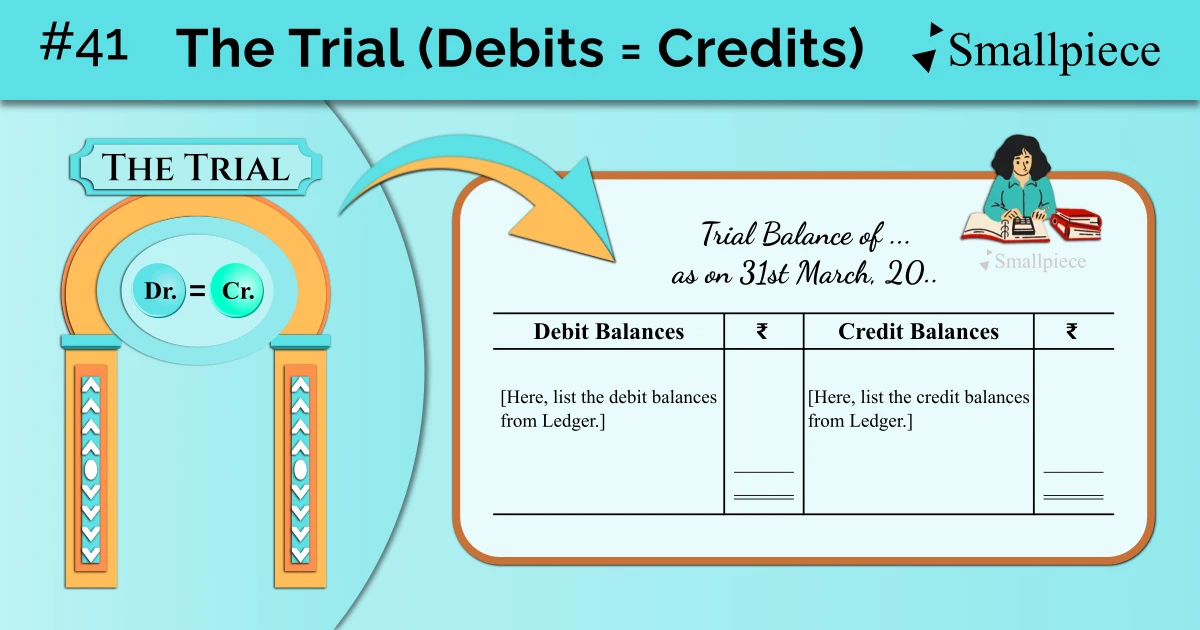
Snippet #41 The Trial
·
The check over Ledger is based on The Dual Aspect Concept i.e., all debits = all credits, the trial all Ledger postings must pass.
-
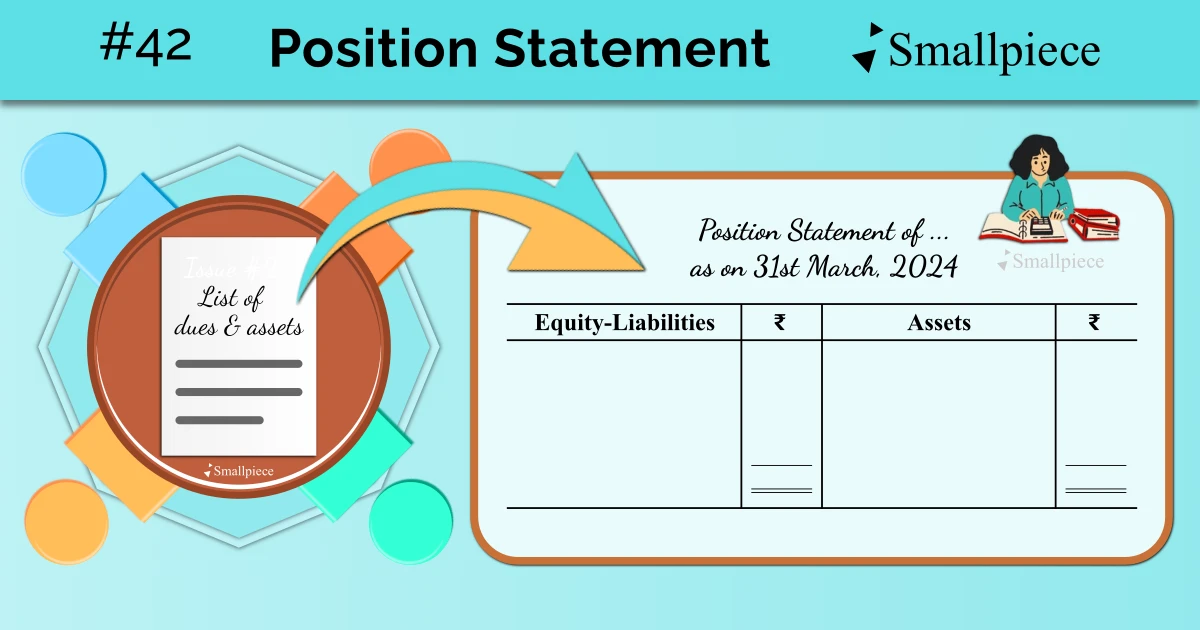
Snippet #42 Position Statement: Answer to the Second Issue
·
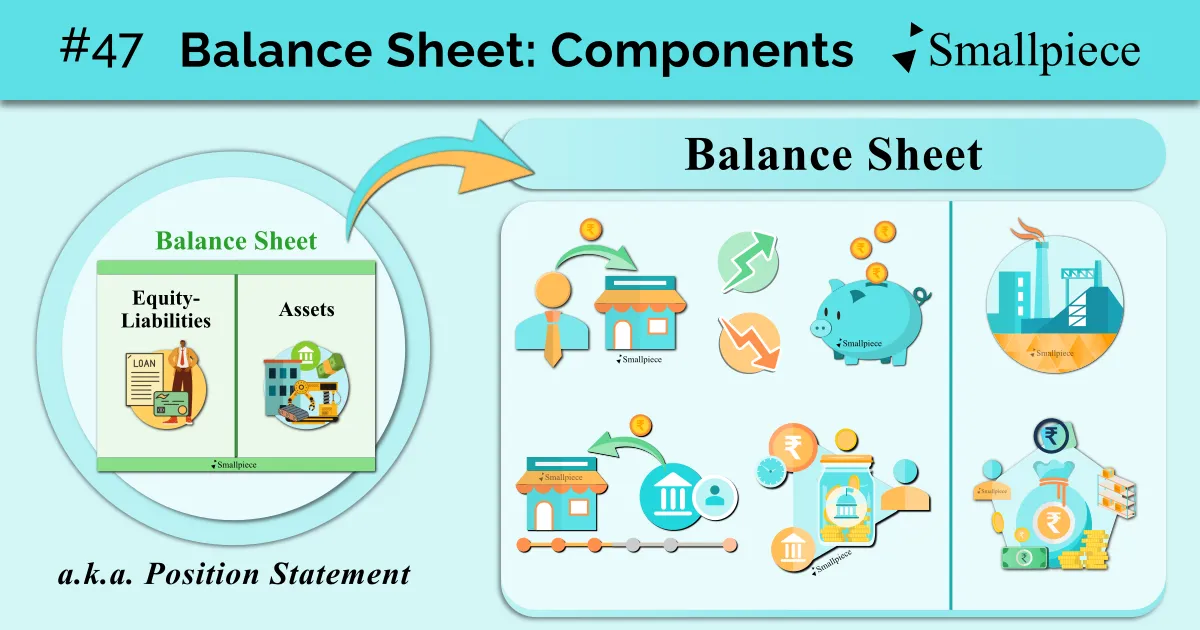
To know the “position” of the business, we use a new layout titled the Position Statement, comprising of Equity-Liabilities and Assets.
-
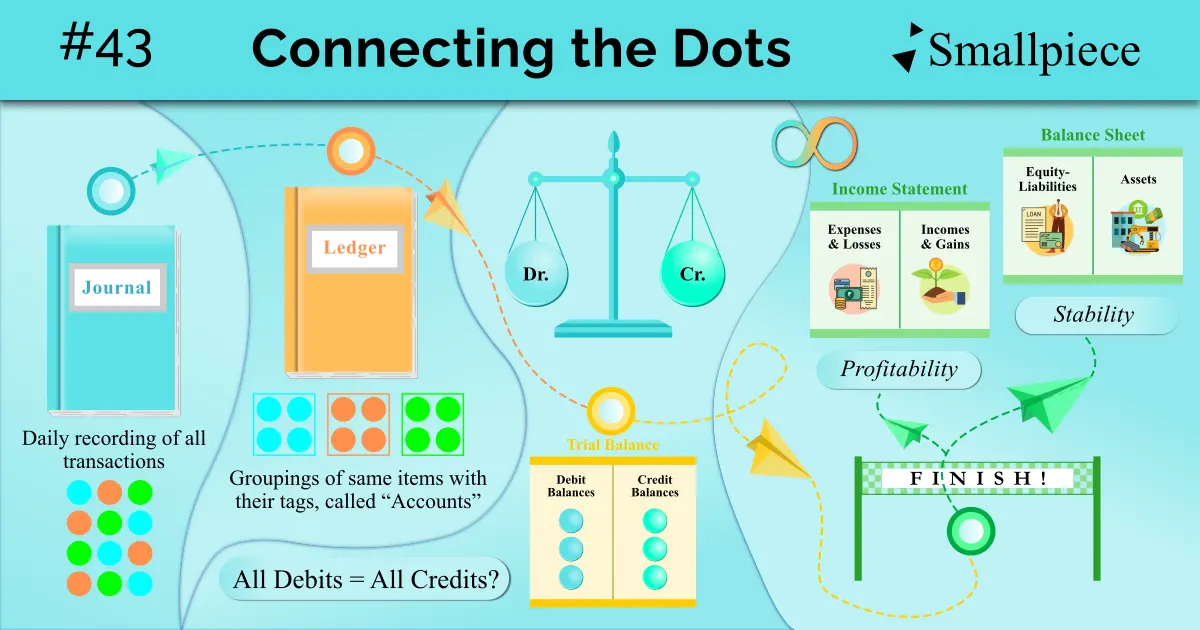
Snippet #43 Connecting the Dots
·
Here, we’ll spend some time not learning anything new but connecting the dots between the concepts we’ve learned earlier.
-
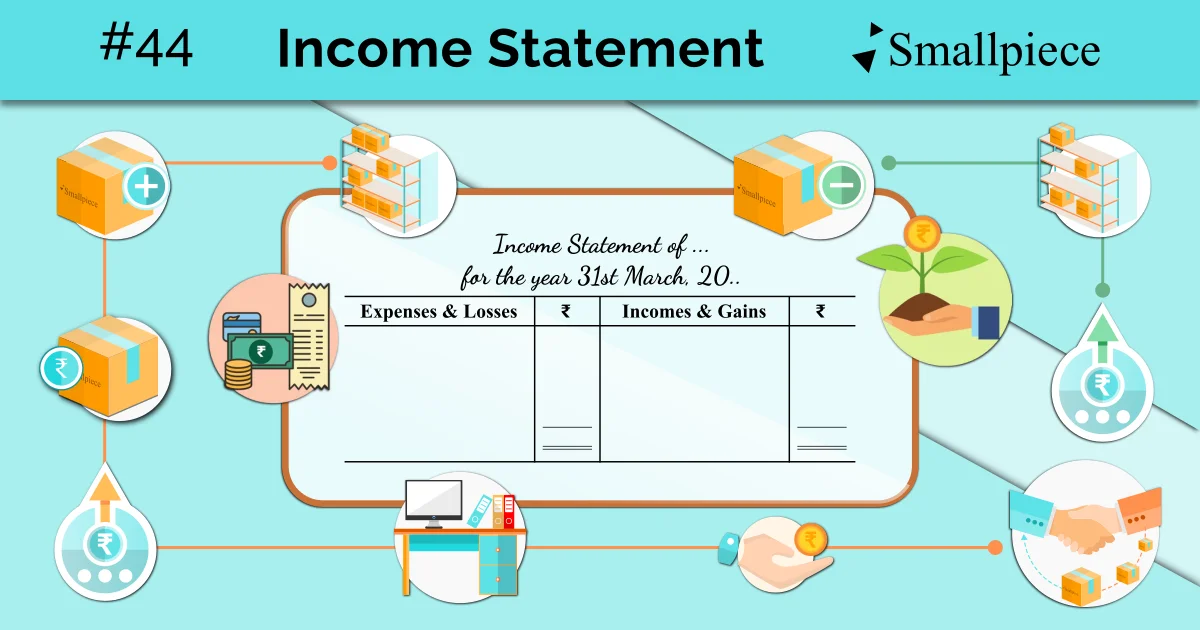
Snippet #44 Income Statement: The Layout & Components
·
Since we’ve gotten the hang of the accounting cycle, it is time we dig deeper into financial statements, starting with the Income Statement.
-
Snippet #45 The Partition & the Birth: Trading and P&L Account
·
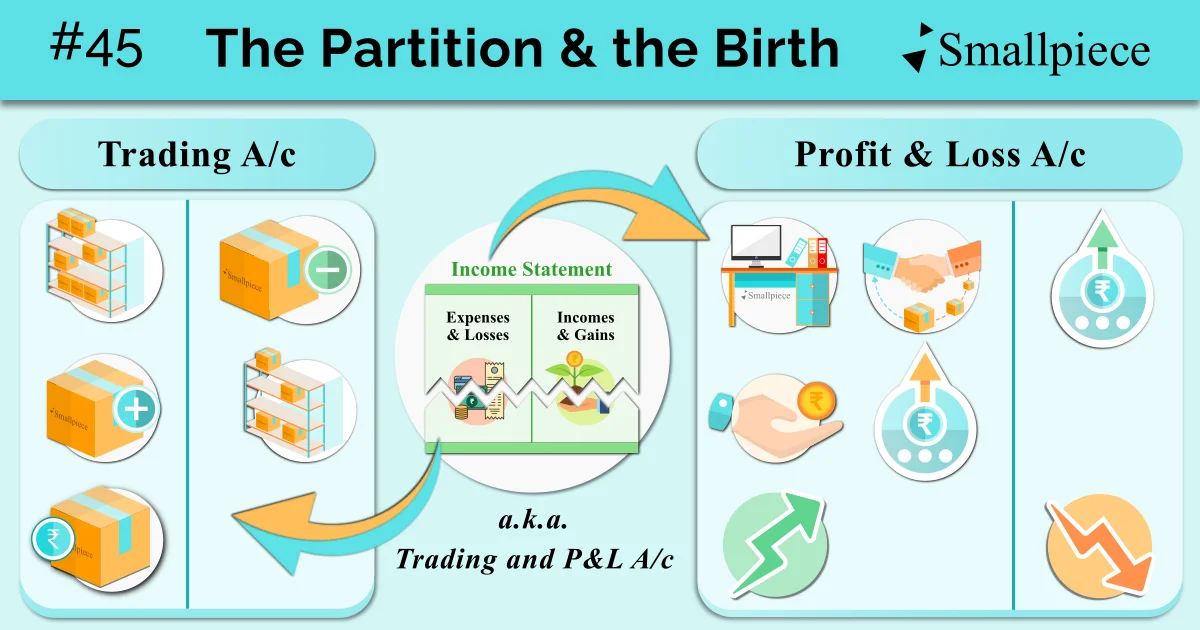
The partition of Income Statement, based on the categorisation of expenses, resulted into the birth of Trading account and P&L account.
-
Snippet #46 Prudence: Play it Safe
·
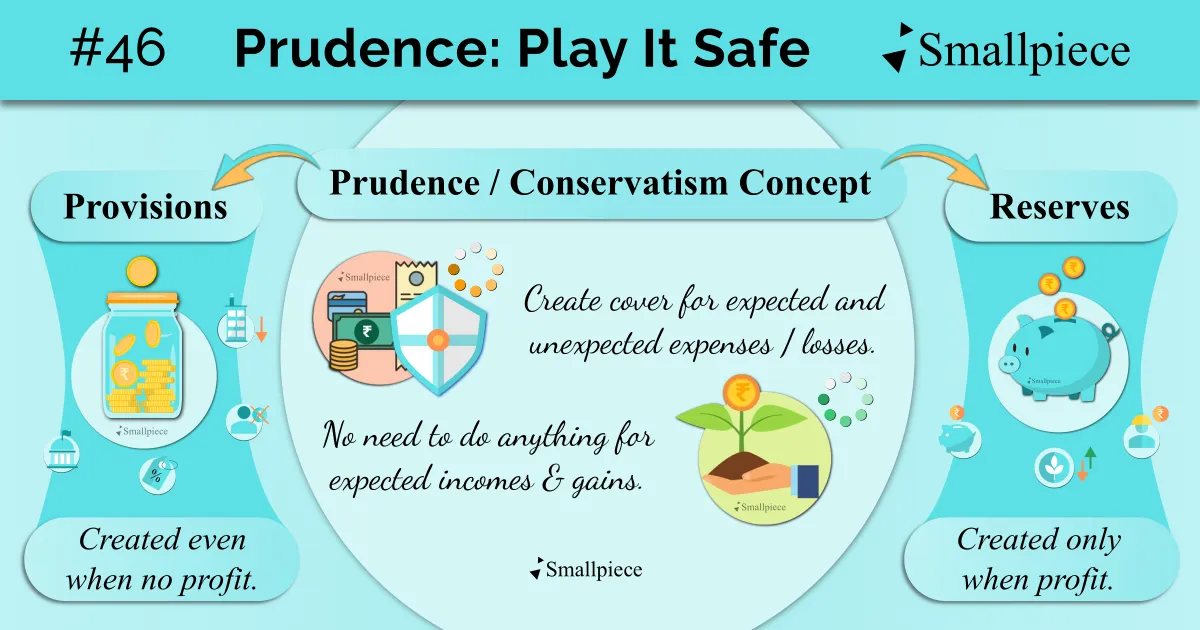
Before discussing the layout of Balance Sheet, we must first discuss one of its components: Reserves & Provisions, born out of the “prudence concept”.
-
Snippet #47 Balance Sheet: The Layout & Components
·
It is now time that we explore our second financial statement: the Position Statement or what the accounting world calls the “Balance Sheet”.
-
Snippet #48 Closing Entry: The Path to Financial Statements
·
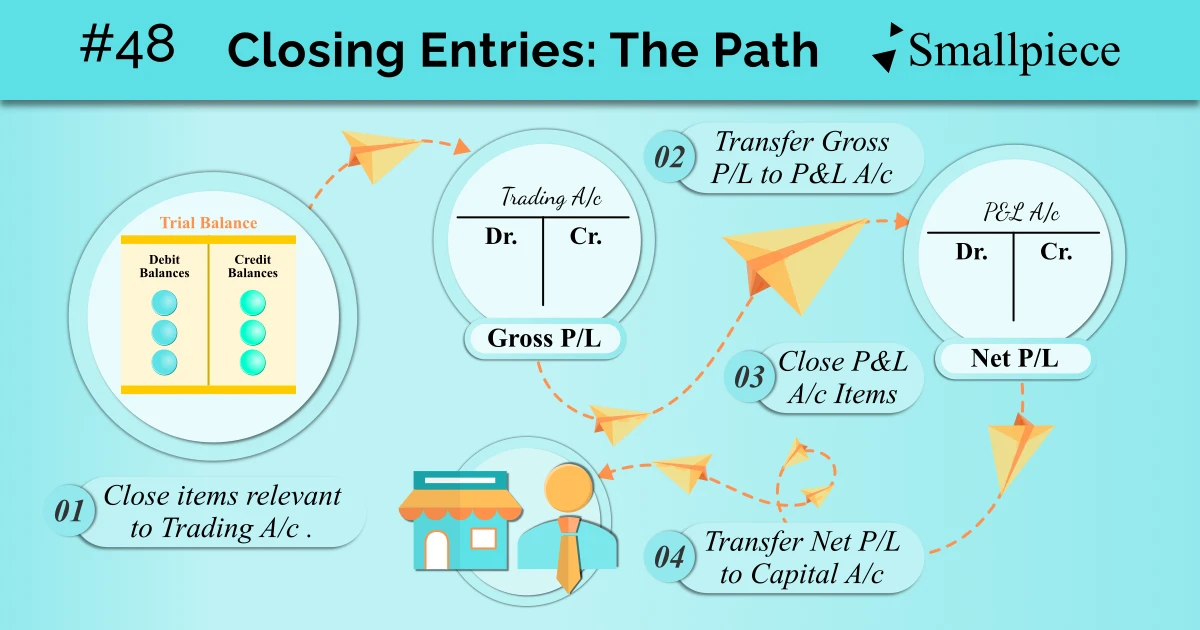
Any recordings made in our financial statements, particularly the Income Statement, require a entry of their own, called the “Closing Entry”.
-
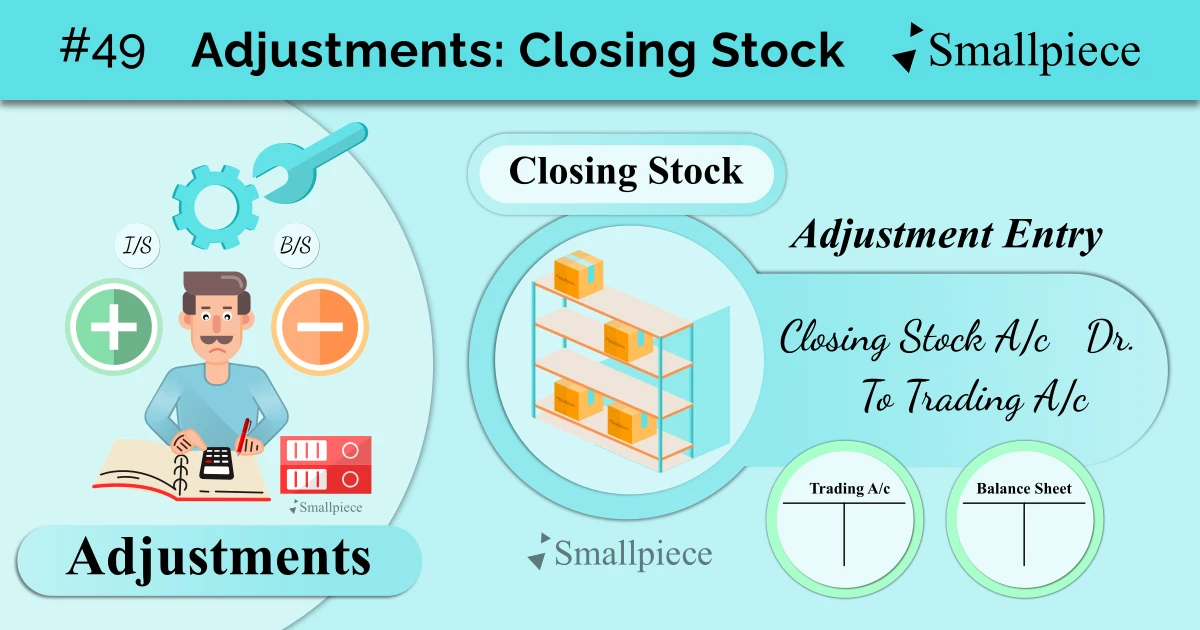
Snippet #49 Adjustments: Last Minute Things & Closing Stock Adjustment
·
As in any sort of work activity, there are last-minute adjustments or should I say, “last-day adjustments” in accounting too.
-
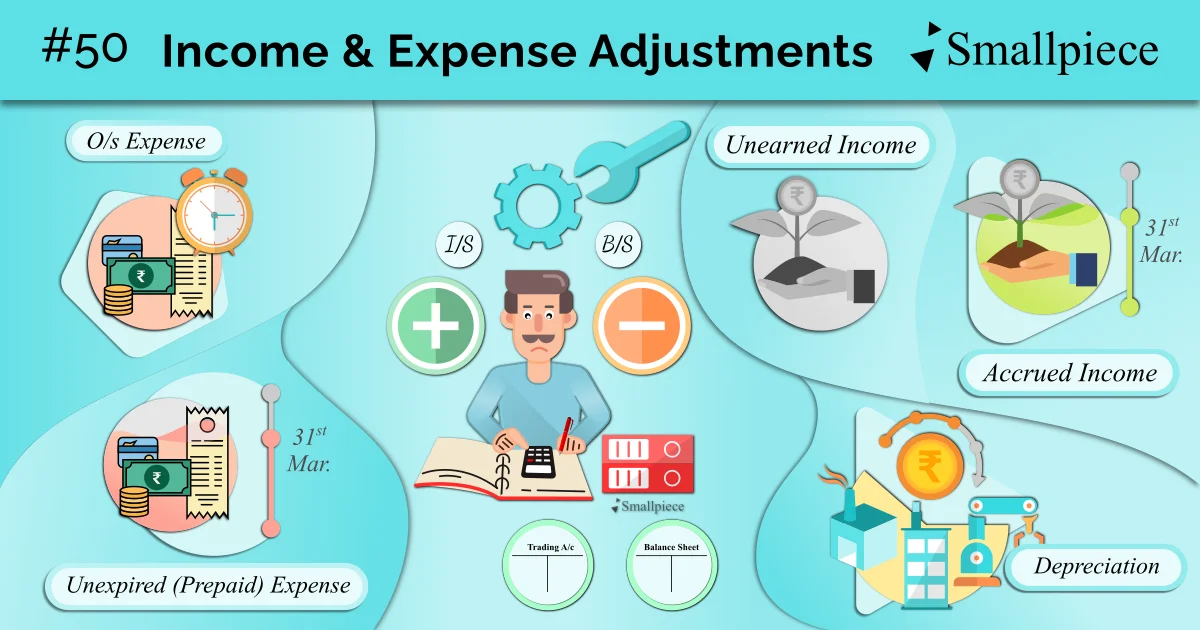
Snippet #50 Income and Expense Adjustments
·
Here, we’ll take a look at income and expense adjustments. These are adjustments that we’ve already learnt as special entries while discussing journal.